


Chryso®Konis
Dust Suppressant
Clearer Paths. Higher Productivity.
Water conservation and dust control are growing priorities across mining, construction, and industrial operations, as frequent water application can be resource-intensive and costly over time. In addition, increasing regulatory and community expectations are driving the need for effective dust suppression practices that support health, safety, and operational efficiency.
A bio-based, biodegradable polymer-based technology that binds fine surface particles, Chryso®Konis helps reduce airborne dust and improve surface stability. Designed for versatility and ease of application across unpaved surfaces, Chryso®Konis delivers long‑lasting suppression, improved visibility, and enhanced site safety, while dramatically reducing water use, maintenance frequency, and operational downtime.
Traditional dust suppression methods, particularly those relying on calcium chloride, can introduce additional challenges, including corrosiveness, material degradation, and higher long term maintenance costs. Unlike those, Chryso®Konis provides a non-corrosive alternative designed to deliver durable dust control across unpaved surfaces and operational areas.
By stabilizing unpaved surfaces and reducing airborne dust, the Chryso®Konis range also helps create cleaner, safer work environments, including infrastructure construction sites in metropolitan areas.
Areas of Use
Easy application and safe to use.
Less fuel and water usage with reduced man hours.

Concrete Plants & Yards

Haul Roads & Access Roads

Mines & Quarries

Construction Sites
Benefits of Using Chryso®Konis
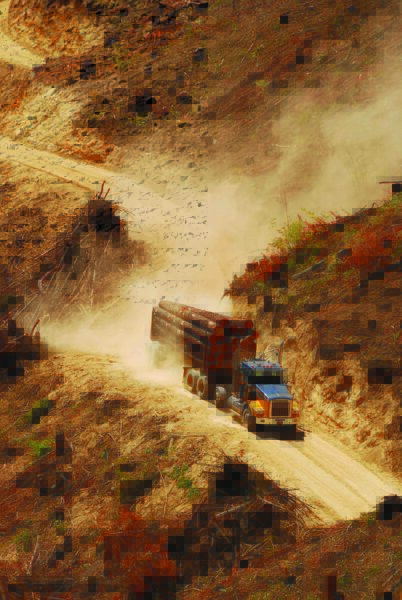
Coalescing of
Rising Dust
Chryso®Konis works at the surface to bind fine particles together, helping prevent dust from lifting into the air under traffic and wind exposure.
Addressing dust at the source supports cleaner, more controlled environments across unpaved roads and operational areas, reducing visibility issues and improving overall site conditions.
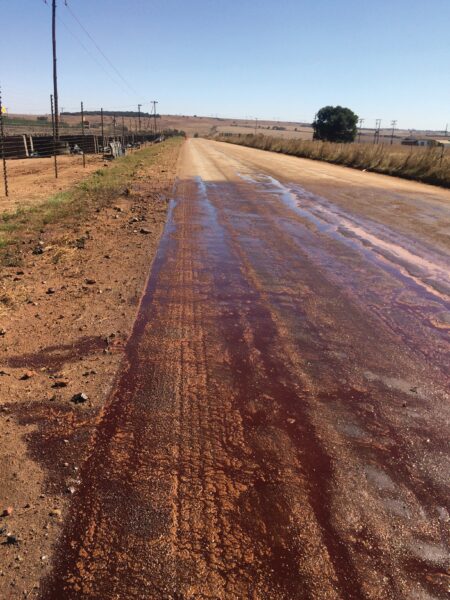
Increase Road Visibility & Grip
By reducing airborne dust, Chryso®Konis helps improve visibility for equipment operators and vehicle traffic.
Stabilizing the surface also supports better traction, contributing to safer, more predictable driving conditions on haul roads and access routes.
In addition to helping to maintain productivity on actives sites, Chryso®Konis supports worker health and comfort.
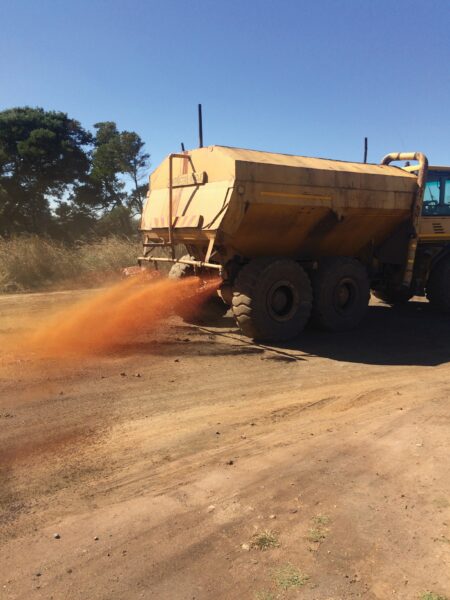
Application & Maintenance
Chryso®Konis provides easy application across a wide range of unpaved surfaces. Once applied, the stabilized surface layer helps reduce the need for frequent watering and regrading typically associated with dust control.
This simplified maintenance approach supports improved operational efficiency and minimizes disruption on active job sites.
Learn more about Chryso®Konis

Want to learn more about Chryso®Konis
Chryso®Konis
Chryso®Konis FAQs
Traditionally, water has been the most common method of dust control. By increasing surface moisture, water helps prevent fine particles from becoming airborne. However, in hot, dry, or windy conditions, its effectiveness can be short-lived, often requiring frequent reapplication.
Other dust control methods include operational measures such as reducing vehicle speeds or improving surface conditions. Dust suppressants provide a longer-lasting alternative by helping bind fine particles at the surface, reducing airborne dust and extending control compared to water alone.
The USDA recognizes several categories of dust control technologies, ranging from water-based treatments to longer-lasting dust suppressants and surface stabilization solutions. The most effective solution will depend on site conditions, climate, traffic levels, and operational requirements.
Chryso®Konis works by binding fine dust particles at the surface of unpaved areas. This surface binding helps prevent dust from becoming airborne under traffic and wind exposure, supporting more stable and controlled site conditions.
No. Chryso®Konis is a non-chloride, non-corrosive alternative to traditional dust suppression methods that rely on calcium chloride. It is designed to provide effective dust control without contributing to corrosion of equipment or infrastructure.
Unlike calcium chloride, which attracts moisture and can accelerate corrosion, Chryso®Konis uses surface binding polymers to stabilize dust particles. This approach helps control dust while reducing corrosion risks and ongoing maintenance concerns associated with chloride–based treatments.
Chryso®Konis can be applied to a wide range of unpaved surfaces, including:
- Gravel and haul roads
- Access roads and worksite paths
- Material handling areas
- Construction and industrial site surfaces
Performance duration depends on site conditions such as traffic volume, weather, and application rate.
Yes. Derived from naturally sourced materials, Chryso®Konis supports responsible dust management while maintaining performance under demanding jobsite conditions.
Users should consult local jurisdictions for applicable regulations, permitting requirements, and application guidance, as requirements may vary by location.
Chryso®Konis is designed for easy application using standard site equipment. It is typically applied using conventional spray equipment. Prior to treatment, the surface should be evaluated to ensure suitable conditions for application.
Do not hesitate to reach out to your Technical Sales Representative or send us an inquiry for support.
Also, before application, be sure to review any state, county, municipal, or DOT requirements that may apply to your location, as regulations and approved practices can vary by jurisdiction.
By stabilizing surface dust, Chryso®Konis can help reduce the frequency of watering and regrading typically required to manage dust on unpaved surfaces, supporting improved operational efficiency.