
Is offsite construction the answer to jobsite safety concerns?

Prior to the pandemic, there was already a push toward offsite construction to reduce labor costs and improve jobsite efficiency. With contractors having a tougher time finding skilled labor, it made sense to produce more concrete elements offsite. This saved money and reduced overall construction time, which means shorter build times.
Today’s heightened safety concerns due to COVID-19 have brought a further surge in offsite construction. Many jobsites have hundreds if not thousands of workers, which makes social distancing all but impossible. Offsite construction (for example, precast concrete construction) is a viable alternative to reduce this risk by both minimizing the number of workers on the job site and reducing worker interactions.
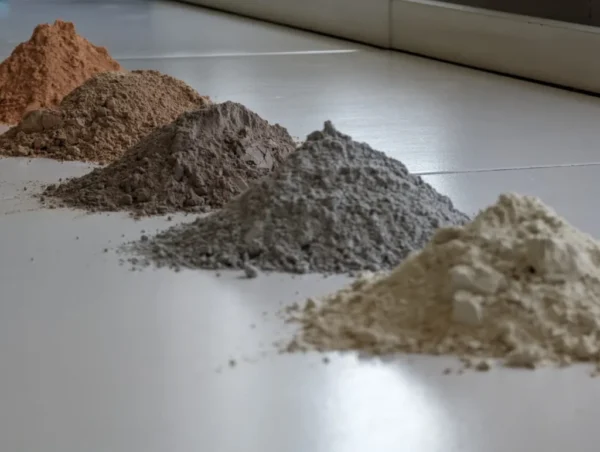
While some folks commonly think of precast as grey concrete, used for sewer systems or structural elements, it can also be used to construct entire buildings, including schools, office structures, and condominiums. This includes building enclosure systems that must provide aesthetic value. Using decorative solutions such as PIERI® surface retarders, precast manufacturers are able to produce structures with beautiful finishes in an array of colors and textures.
Integrated systems. Along with the growth of the precast market has been a demand for the integration of building systems. If a building owner is already engaging an offsite firm to preconstruct building wall panels, it may make sense to have them also add insulation, electrical, HVAC, and plumbing components. Instead of having three or four trades at the jobsite, everything is manufactured and controlled at a precast facility and shipped to the site, ready to go. This means fewer people on the jobsite, less complexity, and less room for error.
These integrated systems can also be beneficial for meeting new energy codes. To improve energy efficiency, many newer building codes require buildings to have continuous insulation and a continuous air barrier. Precast concrete can meet this need by combining all of these elements into one panel/system. Precast concrete is an air barrier and a vapor retarder. Some precast manufacturers are adding to these inherent attributes, producing all-in-one systems that include insulation, windows, utilities, and more.
High-strength concrete. Design teams are also seeking higher strength concrete from their precast manufacturers. As structures soar higher and bridges span further, there is an increased need for ultra high-performance concrete, which can reach compressive strengths of over 20 ksi. Precasters are increasingly relying on admixtures such as Chryso®Chryso®Adva® Cast admixture to produce these higher compressive strength concrete mixes.