


Blog
Find the latest News and information from Chryso

Type IL Cement and Concrete Bleeding Rates
Did you know concrete bleeding rates are more closely tied to cement fineness than limestone content? …

Type IL Cement & Strength Performance
Did you know that Type IL cements don’t necessarily have lower strength performance compared to OPC?…

Using Adfil®Strux: Case Studies
When a lonely Indiana road needed a hashtag fiber reinforced overlay, Chryso customer Smith Ready Mix,…

T-IL Cement and Drying Shrinkage
Did you know that using blended and blended-limestone cement does not necessarily increase drying shrinkage and…
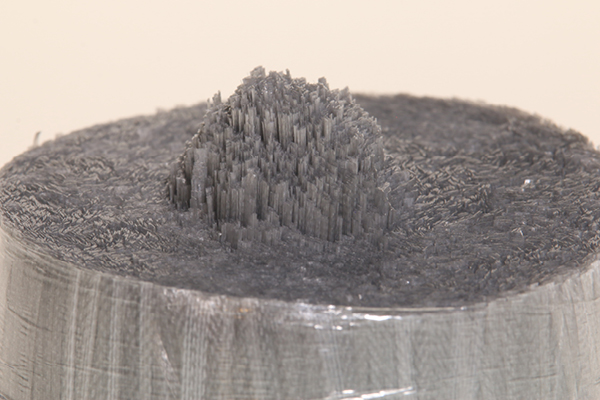
Macro Synthetic Fibers as a Superior Alternative to Steel Fibers for Concrete Reinforcement
Steel fibers have long been used in concrete to enhance post-crack performance, impact resistance, and flexural…

Are you putting the right fiber for the right purpose in your concrete?
There are myriad options when it comes to fiber reinforced concrete, and it can be confusing…
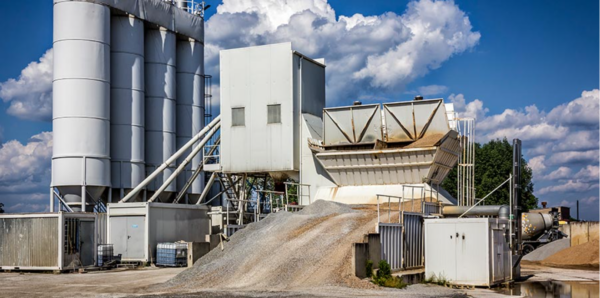
Hot Weather Concreting Practices for Concrete Producers
Concrete producers are well aware of the difficulty of delivering, handling, placing, finishing and curing concrete,…

How Chryso®V-Mar 3 Transformed Concrete Finishability in Harsh Placement Conditions
Facing tough jobsite conditions and increasing performance expectations, a concrete producer turned to a specialty admixture…

Improving particle size distribution in cement production
Enhancing cement grinding efficiency is beneficial for numerous reasons: Lower energy costs. An improvement in grinding…

Measuring ball mill ventilation
Mill ventilation is important for cooling the mill, removing moisture and improving mill efficiency. Typically, a…
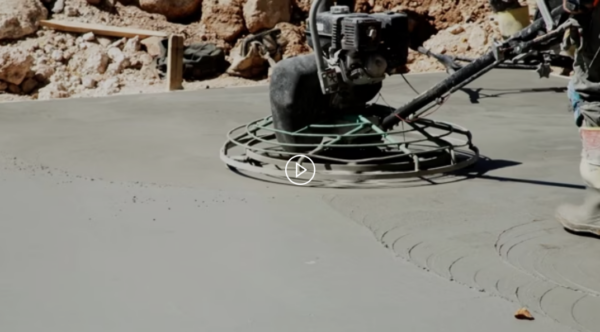
Sardinia Concrete improves profitability with control flow concrete
With Chryso®Chryso®Concera® admixtures, ready mix producers can produce higher flowing concrete using conventional mix designs. Dubbed…

Blended Cements with Limestone
Portland Limestone cement has distinct advantages in terms of performance, controlling strength, reducing cost, and enhancing…